
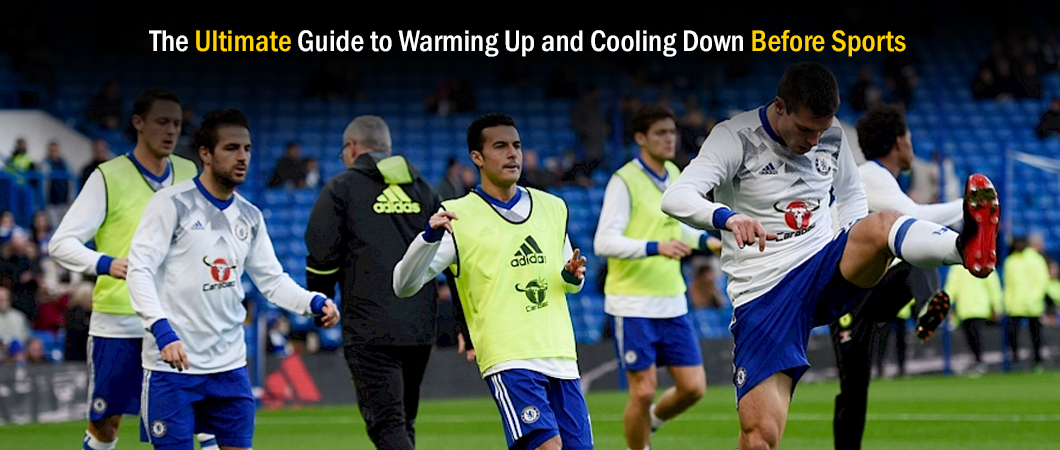
Warming up before sports is not just a routine—it’s a crucial step that can enhance performance and reduce the risk of injuries. Many athletes, both beginners and professionals, often underestimate the importance of a structured warm-up. But why are warm-ups important? A well-designed warm-up prepares your body physically and mentally for the intense activity ahead, ensuring optimal muscle function and coordination.
The Benefits of Warming Up Before Sports
Understanding the benefits of warming up can help athletes prioritize it as an essential part of their training. Here’s how a good warm-up helps:
Physical Benefits of Warming Up
- Increased Muscle Temperature: Warmer muscles contract more efficiently, reducing the risk of strains and tears.
- Improved Blood Flow and Oxygen Supply: A warm-up gradually increases circulation, ensuring your muscles receive sufficient oxygen.
- Enhanced Range of Motion: Looser joints and muscles improve agility and flexibility, reducing stiffness.
Mental Benefits of Warming Up
- Better Focus and Coordination: A structured warm-up improves reaction time and concentration.
- Reduced Stress and Anxiety: Preparing mentally allows athletes to enter a game or workout with confidence.
Key Components of an Effective Warm-Up Routine
To maximize the benefits of warming up, a good warm-up should include the following:
1. Cardiovascular Activation
Engaging in light aerobic exercises like jogging or skipping rope increases your heart rate and warms up your muscles.
2. Dynamic Stretching vs. Static Stretching
- Dynamic Stretching (e.g., leg swings, arm circles) preps muscles for movement and should be done before exercise.
- Static Stretching (e.g., holding a hamstring stretch) is more beneficial after workouts during cool-downs.
3. Sport-Specific Drills
Warm-ups should be tailored to your sport. A basketball player should include dribbling drills, while a sprinter should focus on explosive movements.
Common Warm-Up Mistakes to Avoid
- Skipping the Warm-Up: Many athletes rush into workouts, increasing the risk of injury.
- Relying Only on Static Stretching: Static stretching before activity can reduce muscle strength temporarily.
- Not Adjusting for Sport Intensity: A warm-up for weightlifting differs from one for soccer; tailor accordingly.
The Science Behind Cooling Down After Sports
Just as warming up is essential, cooling down after sports is equally important. Cooling down allows the body to transition from intense activity to a resting state, preventing muscle stiffness and sudden drops in blood pressure.
Essential Cool-Down Techniques for Athletes
1. Gradual Heart Rate Reduction
Slowing down with light jogging or walking prevents dizziness and allows the body to adjust.
2. Static Stretching and Mobility Work
After sports, holding stretches for 20-30 seconds helps reduce muscle tightness and improves flexibility.
3. Breathing Techniques for Relaxation
Deep breathing exercises aid in relaxation and stress relief, helping the body recover faster.
How Cooling Down Prevents Injuries and Enhances Recovery
- Prevents Muscle Soreness: A proper cool-down reduces lactic acid buildup.
- Avoids Sudden Blood Pooling: Gradually lowering heart rate prevents dizziness.
- Aids in Mental Relaxation: Helps athletes shift from high-intensity mode to recovery mode.
Tailoring Warm-Up and Cool-Down Routines for Different Sports
For Running & Track Sports
- Warm-Up: Light jogging, dynamic leg stretches
- Cool-Down: Slow walking, static hamstring and calf stretches
For Strength Training & Weightlifting
- Warm-Up: Jump rope, dynamic mobility exercises
- Cool-Down: Foam rolling, deep breathing
For Team Sports (Soccer, Basketball, Football)
- Warm-Up: Agility drills, sport-specific movements
- Cool-Down: Static stretching, deep squats for flexibility
For Swimming & Endurance Sports
- Warm-Up: Arm swings, shoulder rotations, light swimming
- Cool-Down: Slow laps, static stretches for shoulders and legs
Final Thoughts: Make Warm-Ups and Cool-Downs a Habit
Warming up and cooling down are essential for long-term athletic success. The benefits of warming up go beyond just preventing injuries—they optimize performance, improve focus, and ensure a faster recovery. Next time you hit the field or gym, remember why warm-ups are important and commit to making them a permanent part of your training routine.