
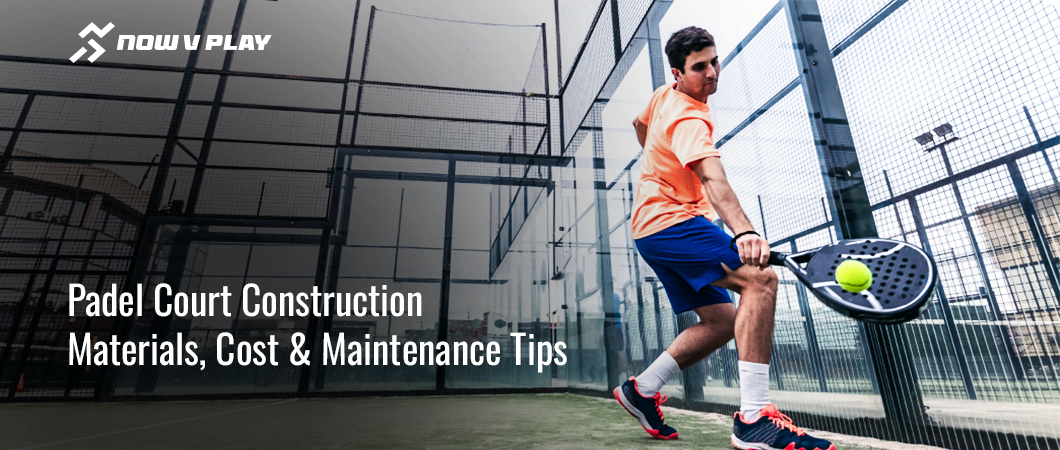
The rise of padel court facilities worldwide is a testament to the sport’s growing popularity. Whether you’re a sports club owner, investor, or enthusiast, understanding padel court construction is key to creating a high-quality playing surface. Proper design, correct dimensions, and premium materials not only improve player experience but also extend the life of the court. This guide covers the entire process—from selecting the best padel court materials to estimating costs and implementing smart maintenance tips. With careful planning and professional execution, your padel court can offer years of exceptional gameplay while keeping maintenance needs low. Let’s explore what it takes to build a top-tier padel court.
Understanding Padel Court Dimensions & Layout
An official padel court follows strict measurements to meet international standards. Typically, a padel court measures 20 meters long and 10 meters wide, enclosed with glass walls and metal mesh fencing. The layout includes service boxes, net positioning, and safety clearance areas. Accurate construction ensures fair play and consistent ball bounce, which are critical in competitive matches. Outdoor and indoor courts maintain the same size, but installation methods differ based on the environment. Using a precise blueprint during padel court construction reduces errors and ensures player satisfaction. By adhering to professional design guidelines, you guarantee that your court meets both recreational and tournament-level requirements.
Essential Materials for Building a Padel Court
Choosing the right padel court materials directly impacts performance, safety, and durability. Standard elements include tempered glass panels for walls, artificial turf for the playing surface, and galvanized steel for the structure. The turf’s infill—often silica sand—enhances traction and ball speed. High-quality mesh fencing provides additional safety and structural support. Weather-resistant paints and anti-corrosion coatings protect against long-term damage. In padel court construction, investing in premium materials from reputable suppliers ensures longevity and minimizes maintenance costs. A combination of durable, eco-friendly, and performance-focused materials will create a court that withstands both intense gameplay and varying climate conditions.
Choosing the Right Surface for a Padel Court
The surface of a padel court plays a major role in game quality and player comfort. Most courts use artificial turf with varying pile heights for different levels of speed and cushioning. Short-pile turf offers faster ball bounce, while longer piles provide more grip. Sand infill is crucial for proper ball behavior and turf stability. When selecting a surface, consider climate, usage frequency, and maintenance capacity. For indoor padel court construction, smoother, low-maintenance turf is often preferred. Outdoor courts may benefit from UV-resistant and water-draining turf. Choosing the right surface ensures consistent play, reduces injury risk, and increases court lifespan.
Cost Factors in Padel Court Construction
The cost of padel court construction depends on various elements including materials, labor, and location. High-quality tempered glass, premium turf, and strong steel frames raise initial costs but reduce long-term repairs. On average, a single padel court may cost between $20,000 and $50,000, depending on customization and location. Labor rates, permits, and groundwork preparation also contribute significantly. Additional features such as lighting systems, seating areas, and drainage solutions can increase expenses. While cutting costs might seem tempting, using subpar materials can lead to higher maintenance expenses later. Strategic budgeting ensures you get the best return on your investment.
Indoor vs Outdoor Padel Court Construction
Indoor padel courts offer protection from weather, allowing year-round play. They typically require specialized lighting, ventilation, and moisture control systems. On the other hand, outdoor padel court construction focuses on weather resistance, using UV-protected turf, anti-rust steel, and reinforced glass. Outdoor courts also need proper drainage to prevent water accumulation. Costs for indoor courts can be higher due to additional infrastructure, but they offer more consistent playing conditions. Outdoor courts, while more exposed, can be cheaper initially and provide an open-air sports experience. The choice between indoor and outdoor depends on budget, climate, and target audience.
Lighting Requirements for a Padel Court
Proper lighting is essential for both indoor and outdoor padel courts. Good visibility improves gameplay and reduces injury risks. LED floodlights are preferred due to their brightness, energy efficiency, and long lifespan. The recommended lighting level for padel court construction is around 500 lux for recreational play and 750 lux for professional tournaments. Placement matters—lights should be positioned to avoid glare while evenly covering the court. For outdoor courts, weatherproof fixtures are necessary to withstand rain, wind, and temperature changes. Investing in a high-quality lighting system ensures consistent visibility, reduces operational costs, and enhances the player experience.
Safety Considerations in Padel Court Design
Safety in padel court construction starts with sturdy, impact-resistant materials. Tempered glass walls should be securely installed to withstand ball impact and player contact. Mesh fencing must be free of sharp edges and properly tensioned. The court surface should have non-slip properties to minimize accidents. Adequate lighting, clear markings, and safety padding around posts add another layer of protection. Routine inspections help identify wear and tear before it becomes hazardous. By prioritizing safety during padel court design, you not only protect players but also maintain a positive reputation for your facility, encouraging repeat visits and long-term success.
Padel Court Maintenance Tips for Longevity
Regular upkeep is vital to ensure your padel court remains in top condition. Weekly tasks include removing debris, checking turf infill levels, and inspecting glass panels for cracks. Turf should be brushed to maintain even sand distribution and prevent matting. For outdoor courts, drainage systems must be cleared to avoid water buildup. Lighting fixtures should be cleaned and checked for proper function. Scheduling professional maintenance at least twice a year can extend the life of your padel court construction investment. Consistent care not only keeps the court visually appealing but also ensures safety and optimal gameplay conditions.
Sustainable Padel Court Construction Practices
Eco-friendly padel court construction focuses on reducing environmental impact without compromising quality. Choosing recycled or sustainable materials, such as eco-turf and low-emission steel, minimizes carbon footprint. Solar-powered LED lighting reduces energy costs and dependence on non-renewable energy sources. Rainwater harvesting systems can be integrated for cleaning and turf irrigation. Environmentally friendly paints and adhesives ensure safer indoor air quality. By incorporating sustainable methods, a padel court not only attracts environmentally conscious players but also lowers long-term operational costs. Green building practices also future-proof your investment, making your court more appealing in a competitive sports market.