
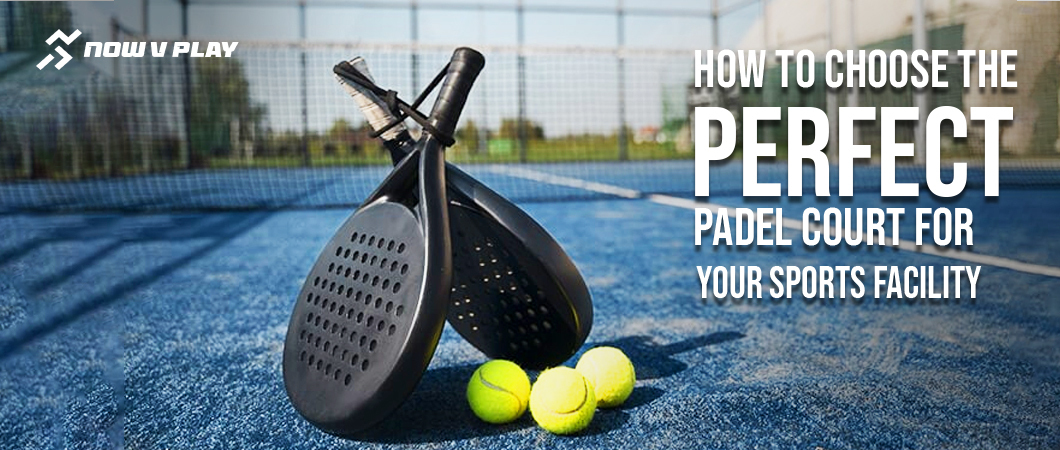
Padel tennis is making waves across Pakistan, from urban fitness centers in Karachi and Lahore to elite clubs in Islamabad. This exciting mix of tennis and squash is not only fun but also ideal for all age groups, making it a valuable addition to modern sports complexes. But to capitalize on its growing popularity, sports facility owners must know how to choose the perfect padel court.
In Pakistan’s competitive sports infrastructure landscape, installing a high-quality padel court can elevate your facility’s value, attract new members, and generate consistent revenue. Here’s your complete guide to making the best decision.
Why a Quality Padel Court Matters
Whether you’re running a gym, club, or school facility, a quality padel court can significantly enhance your offerings. Pakistani players are becoming more quality-conscious; they expect international standards. A professionally constructed court means better game performance, higher safety, and longer durability—all critical to gaining user trust and loyalty.
Many top facilities in Lahore and Karachi have already invested in premium courts, and they’re seeing a steady rise in bookings and memberships. Don’t fall behind.
Understanding Different Types of Padel Courts
In Pakistan, you’ll typically choose between indoor and outdoor padel courts, depending on your location and space availability. Indoor padel courts are becoming common in metropolitan cities, where weather control is crucial due to unpredictable rains or extreme summer heat. Outdoor courts, on the other hand, work great in cities like Quetta or Abbottabad, where the climate is milder.
You may also consider modular padel courts for clubs or events looking for short-term setups—perfect for city-wide tournaments or seasonal attractions.
Key Features of a Professional Padel Court
For Pakistani sports entrepreneurs, especially those targeting a premium clientele, it’s vital to integrate international-level features. These include artificial turf with proper infill, anti-rust fencing, tempered glass walls, and high-quality lighting systems.
Also ensure drainage systems for monsoon weather, especially if your facility is in cities like Islamabad or Faisalabad where seasonal rains are common. A combination of these features not only enhances playability but also reflects your commitment to excellence.
Dimensions and Layout Considerations
The standard padel court dimensions of 20m x 10m must be followed for both training and competitive play. Don’t compromise on space—players need room to move freely. If your facility is outdoor, think about how the court aligns with the sun’s movement. In Pakistan’s summers, direct sunlight during peak hours can discourage players. A north-south orientation often works best here.
For urban clubs in tight spaces, creative layout planning can help fit one or two courts without disrupting other amenities.
Choosing the Right Surface Material
In Pakistani climates—where summer heat can hit 45°C and monsoon rains can cause puddling—choosing the right surface is essential. Most top-tier facilities go with artificial turf, which is soft, durable, and water-resistant. Some facilities in Lahore and Multan have used acrylic coatings, but these can become slippery and crack over time due to temperature extremes.
Turf also provides a superior bounce for padel tennis, which is appreciated by both beginners and seasoned players.
Glass Walls vs. Mesh Panels
Tempered glass walls are preferred in international-standard padel courts. They provide consistent ball rebound and excellent spectator visibility—key features if your club plans to host events or tournaments.
However, in areas where theft or vandalism is a concern, such as public parks or government facilities, reinforced mesh panels might offer more durability. For premium facilities, though, glass remains the best option.
Lighting Systems for Night Play
Evening play is extremely popular in Pakistan due to the hot daytime temperatures. Especially during Ramzan or after work hours, players flock to courts that are well-lit. Use high-quality LED lighting systems positioned strategically to minimize shadows and glares. Clubs in cities like Karachi and Peshawar have invested in 6-meter high floodlights for optimal visibility, boosting nighttime revenue.
Weather and Climate Considerations
From humid coastal air in Karachi to dry desert winds in Bahawalpur, Pakistan’s diverse climate requires specific adaptations. If you’re installing an outdoor padel court, prioritize anti-slip surfaces and make sure your drainage system is top-notch to handle monsoon downpours. UV-resistant coatings will help your turf and walls withstand blazing sunlight without fading or warping.
For hill stations like Murree, frost protection and snow-resistant materials may also be necessary.
Safety and Accessibility Features
Whether your facility is in a gated community or a public park, safety should never be an afterthought. Install shock-absorbent flooring, rounded corners, and padded areas near entry gates. Also consider inclusive features like wheelchair access and open walkways to accommodate players of all abilities. This not only boosts your reputation but also opens doors to partnerships with inclusive sports organizations in Pakistan.
Padel Court Certification and Standards
Getting your court certified by international bodies like the FIP (International Padel Federation) or its local equivalents can set you apart. In Pakistan, some top-tier Islamabad and Lahore clubs already follow these guidelines, enabling them to host national and international competitions. Certification ensures your court’s dimensions, materials, and gameplay experience match global benchmarks—important if you’re serious about branding and sponsorships.
Maintenance Requirements and Longevity
Without regular maintenance, even the best court can deteriorate in just a few seasons. For Pakistani conditions, where dust and pollution levels are high, cleaning routines are crucial. Artificial turf should be brushed weekly and checked for infill displacement. Glass walls need frequent wiping to maintain clarity. After every rainstorm or dust storm, inspect the court for water accumulation or debris.
Plan annual inspections and keep backup materials on hand for quick repairs.
Customization Options for Branding
Branding your padel court is a great way to make your facility stand out—especially in a competitive market like Pakistan. Consider adding your club’s logo on turf or fencing, choosing themed lighting colors for events, or offering branded merchandise. Hosting city-wide padel tennis tournaments with sponsor banners can turn your court into a sports marketing hub.
Several clubs in Karachi and Islamabad have gained attention by livestreaming branded matches on YouTube and Facebook.
Top Mistakes to Avoid When Choosing a Padel Court
Don’t rush into construction without proper research. Some common mistakes in Pakistan include using non-weather-resistant materials, ignoring wind direction, or choosing subpar lighting systems. Also, don’t overlook local regulations—get necessary approvals from municipal authorities to avoid delays.
Always consult with professionals who’ve worked on similar projects in the country, as local experience is crucial in ensuring success.
Conclusion: Making a Smart Investment
Padel tennis in Pakistan is more than just a trend—it’s a rapidly growing sport with a strong community. Knowing how to choose the perfect padel court for your sports facility allows you to stand out in a competitive industry. With the right design, materials, and branding strategy, your court can become a landmark for players across the country.
Whether you’re in Lahore, Islamabad, Karachi, or beyond, building a world-class padel court is a smart investment in Pakistan’s future of sports.