
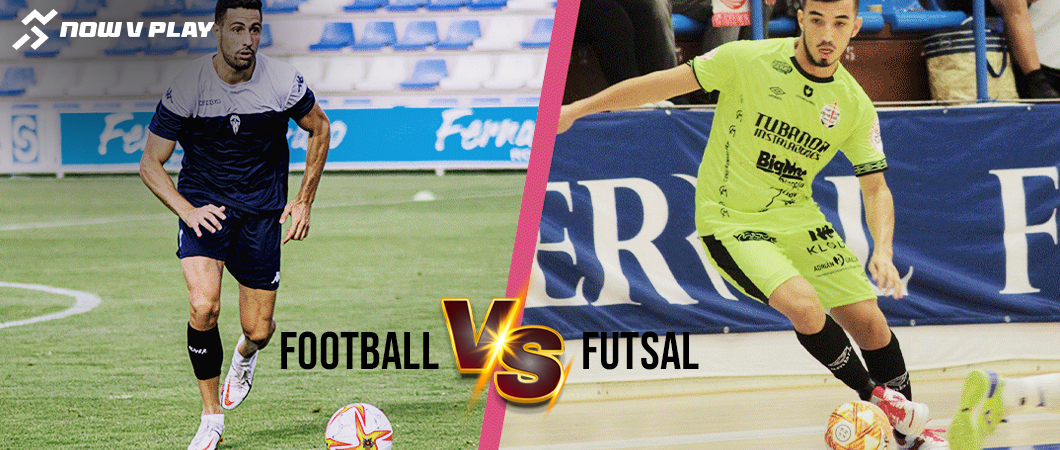
Futsal and traditional football, while sharing foundational elements, differ significantly in gameplay and environment. It is typically played indoors on a smaller futsal ground, with teams of five players, emphasizing quick passes and close ball control. In contrast, football is played outdoors with eleven players per side, focusing on long passes and broader strategies. The confined space in futsal demands rapid decision-making and enhances individual technical skills, making it an excellent training ground for young athletes. Moreover, the heavier futsal ball reduces bounce, allowing players to develop precise control and footwork. These distinctions make itl a complementary discipline to football, offering unique benefits that traditional football may not provide.
The Rise of Futsal: A Youth Revolution in Sports
In recent years, futsal has gained immense popularity among young athletes worldwide. Its fast-paced nature and emphasis on skill development make it an attractive option for youth training programs. Countries like Brazil and Spain have long recognized futsal’s value, integrating it into their youth development systems. The game’s accessibility, requiring minimal space and equipment, allows for widespread participation, even in urban areas with limited facilities. As a result, futsal grounds are emerging in schools and communities, providing young players with opportunities to hone their skills in a controlled environment. This global shift towards it signifies a revolution in youth sports, emphasizing technical proficiency and tactical intelligence.
Why Futsal Is Ideal for Skill Development in Kids
Futsal’s structure inherently promotes skill development among young players. The smaller playing area and reduced team size ensure that each player has more touches on the ball, leading to improved ball control and confidence. The game’s continuous nature encourages quick thinking, agility, and precise passing. Moreover, the absence of walls in futsal grounds means the ball remains in play longer, providing more real-game scenarios for players to navigate. These conditions foster an environment where young athletes can develop essential skills that are transferable to traditional football, making it an invaluable tool in youth sports training.
Tactical Brilliance: How Futsal Enhances Football IQ
Futsal is not just about physical prowess; it significantly enhances a player’s tactical understanding of the game. The confined space and rapid transitions require players to anticipate opponents’ moves, make swift decisions, and execute strategies effectively. This constant mental engagement sharpens a player’s football IQ, improving their spatial awareness and understanding of game dynamics. Young athletes who regularly play this game often display superior tactical awareness in traditional football matches, as they are accustomed to analyzing situations quickly and adapting their play accordingly. Thus, futsal serves as a critical platform for developing intelligent and adaptable footballers.
Physical Benefits of Playing Futsal for Young Athletes
Engaging in futsal offers numerous physical benefits for young athletes. The game’s high intensity and continuous play enhance cardiovascular fitness, agility, and coordination. Players develop quick reflexes and improved balance due to the fast-paced nature of the sport. Additionally, the constant movement and quick directional changes in it help build muscular endurance and flexibility. These physical attributes are crucial for overall athletic development and can significantly improve performance in other sports, including traditional football. Therefore, incorporating this game into training regimens can lead to well-rounded and physically adept athletes.
Futsal vs Football Training: Which One Builds a Better Athlete?
While both futsal and football offer unique training benefits, combining the two can produce the most well-rounded athletes. Futsal focuses on developing technical skills, quick decision-making, and agility, whereas football emphasizes endurance, strategic play, and positional awareness. Young athletes who train in both disciplines gain a comprehensive skill set, blending the precision and speed of futsal with the tactical and physical demands of football. This dual approach ensures that players are versatile, adaptable, and prepared for various game scenarios. Therefore, integrating it into football training programs can significantly enhance an athlete’s overall development.
Futsal Ground: A Compact Arena for Bigger Dreams
Futsal grounds, with their compact design, provide an ideal setting for skill development and intense gameplay. These courts are accessible and cost-effective, making them suitable for schools, communities, and urban areas with limited space. The controlled environment of a its ground allows for focused training sessions, where coaches can closely monitor and guide players. Moreover, the smaller area ensures that players are constantly involved in the game, maximizing engagement and learning opportunities. Investing in such grounds can thus play a pivotal role in nurturing young talent and promoting the sport at the grassroots level.
From Street to Stadium: Futsal’s Role in Developing Pro Footballers
Many renowned footballers, including Lionel Messi, Cristiano Ronaldo, and Neymar, attribute their exceptional skills to early experiences with futsal. The game’s emphasis on close control, quick thinking, and creativity provided these athletes with a solid foundation that translated seamlessly into professional football. It’’s challenging environment fosters resilience and adaptability, qualities essential for success at higher levels of the sport. By starting their journeys on futsal grounds, these players developed the technical and mental attributes that set them apart on the global stage. This trajectory underscores it’s significance in shaping future football stars.
Parental Guide: Why Futsal Is a Safer Choice for Kids
Futsal is often considered a safer alternative for young athletes compared to traditional football. The game’s rules discourage aggressive physical contact, reducing the risk of injuries. The smaller playing area and fewer players allow for better supervision and control during matches. Additionally, the indoor nature of most futsal grounds provides a consistent and weather-resistant environment, ensuring uninterrupted play. These factors make it an appealing option for parents seeking a secure and structured setting for their children’s athletic development. By choosing this game, parents can support their kids in building skills while prioritizing safety.
The Social Edge: How Futsal Builds Confidence and Team Spirit
Futsal’s team-oriented gameplay fosters strong social bonds among players. The need for constant communication and collaboration on the court enhances interpersonal skills and builds camaraderie. Young athletes learn the importance of teamwork, mutual support, and collective responsibility. These social interactions contribute to increased self-confidence and a sense of belonging. Moreover, the inclusive nature of it encourages participation from diverse groups, promoting equality and mutual respect. Thus, it not only develops athletic abilities but also nurtures essential life skills and positive social behaviors.
The Future of Sports Development: Investing in Futsal Grounds
Investing in futsal grounds is a strategic move for communities aiming to enhance youth sports development. These facilities provide accessible venues for training, competitions, and recreational play. By establishing these grounds, local authorities and organizations can promote physical activity, talent identification, and community engagement. Furthermore, such investments can stimulate economic growth through job creation and increased participation in sports-related events. Prioritizing the development of futsal infrastructure reflects a commitment to nurturing future athletes and fostering a culture of health and excellence.
Futsal in Lahore, Islamabad, and Karachi: A Growing Movement
In Pakistan, cities like Lahore, Islamabad, and Karachi are witnessing a surge in futsal’s popularity. Numerous futsal grounds have been established, providing platforms for young athletes to train and compete. In Lahore, facilities like Futsalrange and Elite Wings Arena offer state-of-the-art courts for enthusiasts. Islamabad boasts venues such as the Islamabad Club, promoting youth engagement in the sport. Karachi’s Diya WFC has been instrumental in encouraging female participation in futsal. These developments signify a nationwide embrace of it, highlighting its potential to revolutionize youth sports and produce the next generation of football talent in Pakistan