
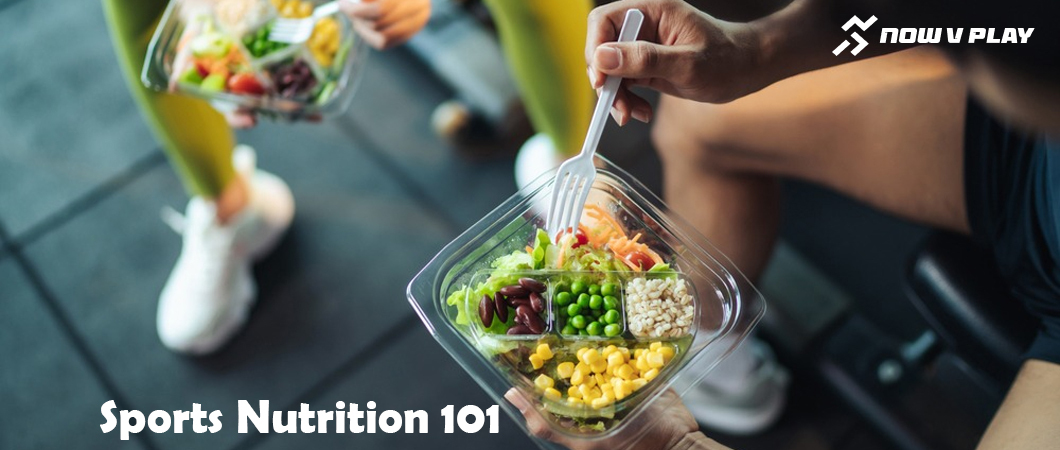
When it comes to peak performance, sports nutrition plays a crucial role in fueling the body for training, competition, and recovery. Athletes require a well-structured dietary plan that provides the right balance of macronutrients and micronutrients to sustain energy, improve endurance, and accelerate muscle recovery.
Why Nutrition Matters for Athletes
A balanced diet for athletes ensures:
- Sustained Energy: Carbohydrates provide a steady energy supply for workouts and games.
- Muscle Growth & Repair: Protein helps in muscle recovery and growth.
- Hydration & Electrolyte Balance: Essential for preventing cramps and dehydration.
Without proper nutrition, athletes may experience fatigue, slower recovery, and decreased performance levels.
Pre-Game Nutrition: What to Eat Before a Game
Eating the right foods before a game ensures optimal energy levels and prevents early fatigue. A balanced diet for athletes before a game should focus on:
Best Pre-Game Foods for Sustained Energy
- Complex Carbohydrates: Oatmeal, whole wheat toast, quinoa, and brown rice provide slow-releasing energy.
- Lean Proteins: Chicken, turkey, eggs, and Greek yogurt help with muscle preservation.
- Healthy Fats: Avocados, nuts, and olive oil support sustained endurance.
- Fruits & Vegetables: Bananas, berries, and spinach provide essential vitamins and antioxidants.
Hydration Strategies Before a Game
Hydration is just as important as solid food intake. Drinking 16-20 ounces of water 2-3 hours before a game and 8 ounces 30 minutes before helps maintain fluid balance. Sports drinks with electrolytes can be beneficial for high-intensity sports.
Post-Game Nutrition: What to Eat After a Game
Post-game nutrition is vital for muscle recovery, replenishing glycogen stores, and reducing soreness. Athletes should consume a meal or snack within 30-60 minutes after exercise.
Essential Post-Game Foods for Faster Recovery
- Protein-Rich Foods: Grilled chicken, fish, eggs, cottage cheese, or protein shakes help rebuild muscle fibers.
- Carbohydrates: Whole-grain pasta, sweet potatoes, and fruits restore depleted glycogen stores.
- Healthy Fats: Almonds, peanut butter, and flaxseeds support anti-inflammatory responses.
- Hydration: Water, coconut water, and electrolyte-infused drinks help restore fluid balance.
Hydration After a Game: Replenishing Lost Fluids
Athletes lose fluids through sweat, and rehydration is key to preventing muscle cramps and fatigue. Drinking water or electrolyte-rich drinks helps in rapid recovery and muscle function.
The Role of Supplements in Sports Nutrition
While a balanced diet for athletes should be the primary focus, supplements can enhance performance when needed. Common supplements include:
- Protein Powders: Whey or plant-based proteins for muscle repair.
- BCAAs (Branched-Chain Amino Acids): Reduce muscle fatigue and soreness.
- Electrolytes: Sodium, potassium, and magnesium replenish lost minerals.
Common Nutrition Mistakes Athletes Make
Athletes sometimes make dietary mistakes that can negatively impact performance:
- Skipping Meals: Leads to low energy and poor endurance.
- Consuming Too Much Sugar: Causes energy crashes and sluggishness.
- Not Drinking Enough Water: Dehydration results in cramps and dizziness.
- Ignoring Post-Game Recovery Meals: Slows down muscle recovery.
Creating a Balanced Diet for Athletes
A balanced diet for athletes should include well-timed, nutrient-rich meals that support endurance, strength, and recovery. A good breakfast could consist of oatmeal with bananas and almonds, paired with Greek yogurt to supply complex carbohydrates, proteins, and healthy fats. Before training or competition, athletes should eat a light snack such as a whole-grain toast with peanut butter or a fruit smoothie for a quick energy boost.
For lunch, an ideal meal would be grilled chicken with brown rice and steamed vegetables, providing essential proteins and carbs. Post-game, a protein shake with a side of sweet potatoes or cottage cheese can help muscle recovery. Dinner should be a nutrient-dense meal like baked salmon with quinoa and mixed greens to replenish nutrients and maintain muscle function. Hydration should be maintained throughout the day with water, coconut water, or electrolyte drinks to ensure fluid balance and optimal athletic performance.
Pre-Game and Post-Game Meal Timing Tips
- Eat a full meal 2-3 hours before a game to allow digestion.
- Consume a light snack 30 minutes before for an energy boost.
- Replenish with carbs and protein within 60 minutes post-game to support recovery.
Conclusion
A well-planned balanced diet for athletes is the foundation for peak sports performance. Understanding sports nutrition ensures sustained energy, faster recovery, and overall improved endurance. By making smart food choices before and after a game, athletes can maximize their potential and stay at the top of their game.